


Today we’re talking about grief recovery and what you are doing to sabotage your own peace, acceptance, hope, and alignment. We’ll explore the ways that you are maintaining ties to your ex and still attempting to be a voyeur in your own past. We’ll also talk about the surprising impact of your support system. Ask yourself:
Is your support system effective enough to support you in letting go after divorce?
What Are You Still Holding Onto?
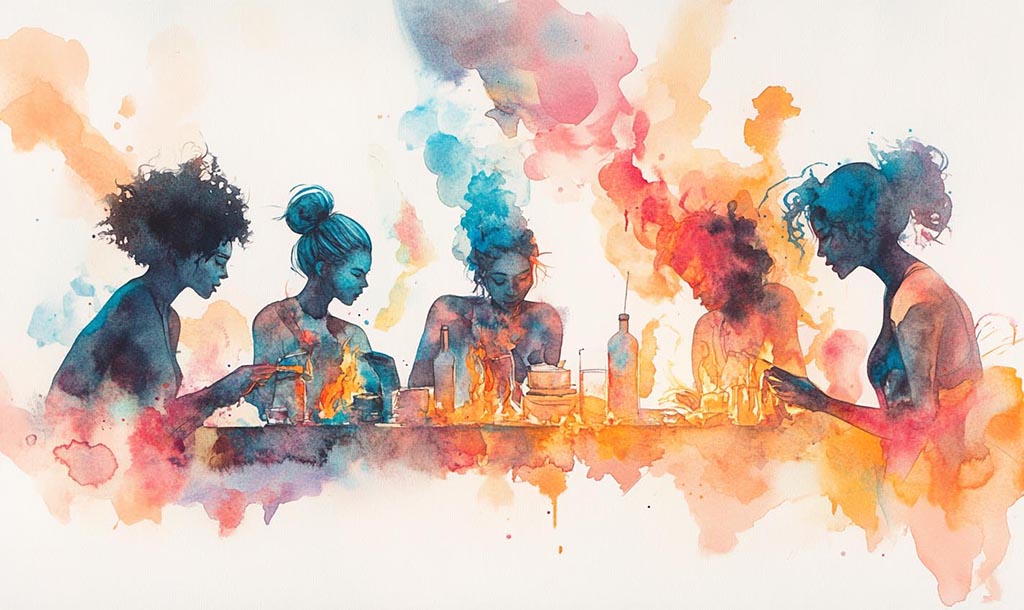
This grief recovery blog is inspired by a burn party my small coaching group had last night. There was a lot of talk about the bizarre things that many women do to hold on to their past lives. Some of it is concrete objects, like letters and cards, concert tickets, photos, your dress, or your wedding ring.
What you hold on to and why will vary based on your experience, your story, whether or not you have kids, or if you wanted the divorce or you didn’t.
There’s a lot of nuance to this, and it’s not just about holding onto physical objects. It’s also about behaviors—like staying logged into the house alarm app to track his comings and goings, remaining in the family text thread, or still using an email address or password tied to your ex.
The Heavy Weight of Holding On
When you start to look around, do you still live in the marital home? Do you still wear certain pieces of marital jewelry?
Holding onto these items truly keeps you attached to the past.
I want you to start to make a mental list of all the items you have and how you are actively, sometimes bizarrely, maintaining attachments to them. I want you to notice when you sit with those items, what it feels like in your body, and just take a few rounds of breath with that.
So much of healing grief after divorce is about forming new, healthy attachments that are going to promote your future.
Letting Go After Divorce to Find Yourself
Now let’s talk a little bit about why it’s so hard to let go of those attachments during your grief recovery. The reason is built into the word “attachment.”
Attachment style is one of the most significant factors that allows us to feel a sense of security (or lack of security) in the world while on our emotional healing journey.
Attachments can foster a sense of belonging and well-being. But when we rely on them for that sense of security, it’s important to examine what we’re attached to and how those attachments shape our thoughts and emotional patterns.
Last night, I told the group that by the end of the program, they’ll feel more deeply connected to their true self, their higher power, their community, and their support system.
Along with that, they’ll begin to release attachments to negative beliefs, self-concepts, and people who don’t contribute to a healthy sense of self.

The Courage to Release and Receive
The goal of grieving is to let go of old attachments and form new attachment styles, healthier ones that align with the truth of who you are—a beautifully created being with a unique light to shine.
You’re meant to belong to a community that sees and supports that truth.
This sense of purpose and connection can feel soul-fulfilling and deeply grounding, but that doesn’t mean it’s always easy. It’s not tied to a specific image or relationship but to a profound understanding of yourself and your purpose.
When you’re anchored in that, you can give and receive love freely, without feeling that loneliness is a threat.
Your nervous system becomes more regulated. You spend less time doom-scrolling and more time cultivating rich connections and meaningful experiences. You shift from scarcity to abundance.
But as you reach for these new, healthier attachments, uncertainty can creep in. What if there’s something wrong with me? What if I’m too damaged for the life you’re describing? What if I’m getting it all wrong?
That uncertainty is the bridge between your past life and your future self—the tightrope you’re walking as you release old attachments and reach for new ones.

You’re Stronger Than You Think
That’s the catch-22 of this work: while processing your divorce grief, you can’t effectively reach for those new, healthy attachments while you’re holding onto the old ones.
Letting go of old attachments after divorce before new ones are fully formed can feel like walking a tightrope over a pit of crocodiles. That’s the trust fall—the leap you have to take, with no way around it.
All the women who burned their things last night—whether it was letters to their past self, their future self, pictures or concert tickets or a wedding dress, or a photo album—said: “A couple of months ago, I would not have been able to do this.”
Over these three months, a major shift has been joining a community with a strong, positive culture grounded in optimism and accountability.
The Power of Support Systems
Ask yourself: Do you have enough supportive people around you who are helping you move forward rather than keeping you stuck in the past?
A deeply supportive, immersive community can make it easier to release old attachments and reach for new ones with a greater sense of security—that’s a big part of the reason why these women felt safe to finally let go of these things.
I want you to really take a look at your support system and be honest. Do you have enough support currently to support this journey?

Burning the Past, Embracing Hope
Let’s talk about the surprising impacts of burning these items. Most of the women anticipated that it would be hard or that they would feel grief while they were burning, but in fact, the opposite was true.
No matter how overwhelmed some of them still feel in their grief, the act of burning felt empowering.
This isn’t a new concept. It’s an old idea of burning things. And it’s a ritual and a pact with yourself that you’re moving forward.
It’s incredibly cathartic and empowering in your emotional healing journey.
No Turning Back: Commit to You
Women find themselves clinging to the past because the future is so uncertain. But this is a call to action to challenge yourself to look at the bizarre ways you are holding onto your past life. Look at your current support system. Wildly embrace some future-like risk-taking, trust, and falling into new ways of living.
I can’t wait to hear about your emotional healing journey.


